Steel Pipe. They are produced by two distinct methods which result in either a welded or seamless pipe. In both methods, raw steel is first cast into a more workable starting form. It is then made into a pipe by stretching the steel out into a seamless tube or forcing the edges together and sealing them with a weld..
In this way, how PVC pipes are manufactured?
PVC pipes are manufactured by extrusion of raw material PVC, and generally follow the same steps of typical pipe extrusion operations: Feeding of raw material pellets / powder into the PVC twin screw extruder. Melting and heating in multiple extruder zones. Extruding through a die to shape into a pipe.
Furthermore, how is aluminum pipe made? The manufacture of aluminum tubes starts with what is called an aluminum slug or blank. It is fed into a set of tools in the die which then extrude it. This extrusion press then roughly forms a completed tube form. The next step is to trim the tube to the specified length on both the top and bottom ends.
Secondly, what are metal pipes made of?
Typically metallic piping is made of steel or iron, such as unfinished, black (lacquer) steel, carbon steel, stainless steel, galvanized steel, brass, and ductile iron. Iron based piping is subject to corrosion if used within a highly oxygenated water stream.
How is seamless tubing made?
Seamless tubing is produced via extrusion or rotary piercing. Drawn-over-mandrel tubing is made from cold-drawn electrical-resistance-welded tube that is drawn through a die and over a mandrel to create such characteristics as dependable weld integrity, dimensional accuracy, and an excellent surface finish.
Related Question Answers
Where is PVC made?
The basic raw materials for PVC are derived from salt and oil. Chlorine is manufactured by the electrolysis of sodium chloride, salt. This is why the first PVC manufacturing plants were located close to natural sources of salt. The electrolysis of salt water produces chlorine.Is PVC A plastic?
Polyvinyl chloride (/ˌp?liva?n?l ˈkl?ːra?d/; colloquial: polyvinyl, vinyl; abbreviated: PVC) is the world's third-most widely produced synthetic plastic polymer (after polyethylene and polypropylene). PVC comes in two basic forms: rigid (sometimes abbreviated as RPVC) and flexible.What is PVC piping used for?
It's the white plastic pipe commonly used for plumbing and drainage. PVC stands for polyvinyl chloride, and it's become a common replacement for metal piping. PVC's strength, durability, easy installation, and low cost have made it one of the most widely used plastics in the world.What is the full form of PVC?
PVC: Poly Vinyl ChloridePVC stands for Poly Vinyl Chloride. It is a synthetic plastic polymer which is produced by polymerization of vinyl chloride. Its chemical formula is CH2=CHCl. PVC is a thermoplastic material.What is PVC pipe made of?
PVC pipe is a widely recognized modern alternative to metal piping. It's known as a low-cost solution with the strength, versatility, durability, and easy installation process to back its popularity. PVC is made of polyvinyl chloride, a widely used thermoplastic material that can be molded into different shapes.Who makes PVC pipe?
Diamond Plastics Corp.
What is the difference between PVC and uPVC?
There is only one difference between PVC and uPVC and that is that PVC contains BPA and phthalates, which are two plasticizers that make it more flexible. The "u" in uPVC stands for "unplasticized," and because it doesn't have these extra materials, uPVC is often called rigid plastic.What is the difference between PVC and CPVC?
The main difference between CPVC and PVC is the range of temperatures each is capable of withstanding. CPVC can handle temperatures up to 200° Fahrenheit, while PVC peaks at 140° Fahrenheit. PVC comes in nominal pipe sizes only, while CPVC is available in both nominal pipe sizes and copper tube sizes.How do I know if my pipes are lead?
A simple check is to look at the pipework in your kitchen. Find the pipe leading to the internal stop tap (usually under the kitchen sink). Lead pipes are dark grey (under any paint) and are soft and easily marked. If in doubt, ask a plumber to check for you.Are lead pipes safe?
Lead dissolving into drinking water from lead pipes can be harmful if it builds up in the body – especially for babies and children, whose development can be affected. Lead solder used for jointing copper pipes as a low-cost alternative by DIY enthusiasts or unqualified plumbers can also put drinking water at risk.Do lead pipes rust?
Lead was commonly used to make pipes in plumbing for many centuries. It is cheap, rust resistant, and easy to weld.How pipes are specified?
Depending on the applicable standard to which it is manufactured, pipe is generally specified by a nominal diameter with a constant outside diameter (OD) and a schedule that defines the thickness. The term "tube" is also commonly applied to non-cylindrical sections, i.e., square or rectangular tubing.When did they stop using copper pipes?
Copper pipeHowever, it's most common in homes built from the 1960s to present.Are water softeners bad for copper pipes?
Over time, these metals can wear out the inner lining of copper pipes, eventually creating pinhole leaks. Luckily, a whole-home water softener removes dissolved minerals from your home's water so that these metals don't buildup or react negatively with your pipes.Does ERW pipe have a seam?
ERW Pipe. Electric-welded pipe has one longitudinal seam formed by electric-induction or electric-resistance welding without the addition of filler metal. The edges to be weld seam are pressed together mechanically, and the heat for welding is generated by the resistance to flow of electric current.Are copper pipes safe?
Copper pipes are also safer due to the reduction of lead to around 0.25 percent. Because copper tends to leach when idle for more than six hours, it's advisable to run drinking water for around a minute before using it. Also, hot water tends to leach copper more than cold water.Is lead still used in plumbing?
Due to its toxicity, most cities moved away from lead water-supply piping by the 1920s in the United States, although lead pipes were approved by national plumbing codes into the 1980s, and lead was used in plumbing solder for drinking water until it was banned in 1986.How strong is aluminum pipe?
With medium to high strength, good toughness and a good surface finish, it maintains most of the good qualities of aluminum. Welded by all methods and can be furnace brazed. T6 has an ultimate tensile strength of at least 42,000 psi, yield strength of at least 35,000 psi and ultimate shear strength of 27,000 psi.What is aluminum made of?
Aluminum compounds occur in all types of clay, but the ore that is most useful for producing pure aluminum is bauxite. Bauxite consists of 45-60% aluminum oxide, along with various impurities, such as sand, iron and other metals. 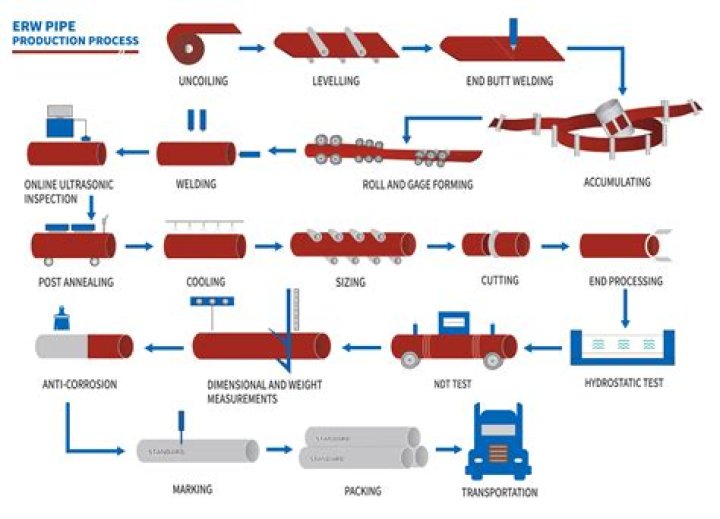
 Emma Powell